Every January, I set aside a day to walk the warehouse, coffee in hand, and look at the inventory like a customer would. What still excites me. What needs to retire. Which inflatables earned their keep last season, and which ones took up space. Trends rarely arrive overnight. They build over a couple of seasons, one backyard party at a time, until a particular shape or game suddenly becomes the thing everyone asks for. Heading into 2026, a few patterns are unmistakable: hybrid inflatables are dominating inquiries, dry events are behaving more like water park bookings, and indoor venues are reshaping how we spec and staff setups. The details below come from the field, from real events with real weather, real budgets, and real kids wearing out their socks.
Hybrid hits: slides that convert, combos that matter
For years, the industry drew a clean line between dry and wet. You rented a bounce house for the neighborhood barbecue, then a water slide rental for the July heat wave. The market has been blending, and 2026 is the year that becomes standard. Manufacturers have improved liner systems and drainage, so one unit can serve as an inflatable slide rental or a dry platform without that soggy aftermath that used to plague the next day’s booking.
The most requested format we saw in late 2025 was the 5-in-1 style combo: a modest inflatable bounce house with a short obstacle lane, a mini climbing wall, and a slide that can accept a detachable splash pad. Parents appreciate the footprint of a classic bouncy castle rental, while kids get variety without leaving the unit. For backyard party rental customers, hybrid saves budget and aggravation, especially when weather is fickle. If the morning starts cool, the slide runs dry until mid-afternoon, then the garden hose snaps on when the sun climbs. One setup, two experiences, no rescheduling.
The caveat: hybrid units demand disciplined sanitation. If your local bounce house company runs a tight cleaning protocol, these inflatables hold up beautifully. If not, the splash pad can trap grit. Ask your provider how they handle drying time between a water day and a kids party inflatable that needs to stay dry for an indoor school gym the following morning. The good operators will have dehumidifiers, fans, and a rotating schedule that makes it work.
Taller isn’t always better: smart slide design for 2026
Everyone loves the bragging rights of a 20 to 25 foot giant slide. They photograph well and create that wow factor. But families are becoming savvy about landing zones, line speed, and age range. A 17 foot dual-lane slide with a quick-turn ladder will move 150 to 200 riders per hour at a community event, while the very tall single-lane slides often get bottlenecked by nervous climbers. If your event inflatable lineup is supposed to keep wait times under ten minutes, lane count beats sheer height.
Design tweaks matter. The best 2026 water slide models borrow elements from amusement parks: curved run-outs that reduce pile-ups, shallow splash pools that drain fast, and side netting that breathes, not the greenhouse vinyl of the past. I like slides with molded step treads that match the user’s foot. When a six-year-old climbs, the difference between a confident step and a cautious crawl is night and day for throughput.
For indoor bounce house rental situations, height is capped by ceilings, so manufacturers are responding with steep 13 to 15 foot slides built on low bases. They feel faster than their height suggests, and they pack tight, which Go here makes school gyms and church halls viable even in winter. Ask your provider to measure the diagonal clearance at doorways, not just the ceiling height. A slide that is 15 feet tall can still fail to turn a corner into a multi-purpose room if the hallway is tight.
Obstacle courses get smarter, not just longer
Inflatable obstacle course rental used to be about bragging rights on linear feet. Seventy feet, then ninety, then a hundred. The smarter trend for 2025 is modular courses that reconfigure to fit spaces: a serpentine layout for an athletic field, a U-shape for fenced courtyards, or a compact Z that squeezes into a school lot. Operators love it because they can adapt to sprinkler lines, slopes, and shade. Customers love it because the same set of obstacles can tell a different story at each event.
Game elements are evolving too. Instead of endless crawl tunnels and pop-ups, manufacturers are adding timing gates, LED targets, and choice lanes that let kids pick a path. On a Saturday city event, we set two 40-foot lanes with a cross-over at the center. The runners shouted directions to teammates and turned the whole course into a relay. No extra staffing required, just a smarter course layout.
Consider age splits when you book. For a birthday party bounce house in a tight yard, a 30 to 40 foot course with low entry points and clear sight lines keeps adults feeling comfortable. For teen nights, the fun lives in higher walls and leap challenges. Your jumper rental doesn’t have to be complicated, but the right difficulty makes a world of difference. When in doubt, mix an obstacle lane with a short slide finish. Kids compete, then end with a grin.
Game night, inflatable style: what’s hot in 2026
Beyond bounce and slide, inflatable game rental is where creativity explodes. We saw a surge in skill-based games that scale across ages. Think soccer darts with oversized Velcro balls, basketball free throw lanes with digital scoring, and axe throws that use soft foam axes and a curved bullseye to catch wayward tosses. These live comfortably on a driveway or gym floor, and they keep the older kids engaged while little ones run the bounce house.
The surprise hit of late 2025 was battle beam arenas. Two participants balance on an inflated beam and use padded joust batons. Spectators cheer, parents film, and the line moves quickly. If you have a wide range of ages, add a foam pit or extra side cushions. The sport element pulls in teens who might otherwise hover at the snack table. It is also a nice foil to a water slide rental on hot days, giving guests a dry option.
Interactive scoring is making its way into party inflatable rental options. Light-up targets reward accuracy. Some systems track scores over a two-minute round and display results on a small panel. The units cost more to book, and they can require a second attendant if you pair them with competitive play, but they elevate backyard events into something that feels like a mini carnival. Budget an extra extension cord and discuss cable runs with your operator to avoid tripping hazards.
Backyard tactics that separate a good party from a great one
I once delivered a compact combo unit to a narrow side yard. The customer measured the backyard perfectly but forgot the gate clearance. We ended up gently lifting the unit over a corner of a hedge, which everyone remembers because it worked, but I still prefer good planning to heroics. Check the path, not just the destination. A single tight turn or a low soffit can dictate which inflatable fits.
Shading matters. Dark vinyl heats fast. If your house faces west and the lawn bakes after 2 p.m., choose light colors or units with internal sun screens. Hydration stations near the exit keep kids from diving back in with dry mouths. If you want to stretch a party, slot a calm activity between high-energy runs. A table of craft supplies or a freeze-pop break resets the group without a power struggle. Pair the birthday party bounce house with a short game unit rather than a second large inflatable. It speeds up tear-down and leaves more room for seating.
For water days, call your local bounce house company about water management. Some operators carry diverter mats that channel splashes toward a garden bed. Your lawn will thank you. If you have a septic field or recently seeded sod, flag it early. A good crew will adjust placement or switch you to a lighter unit to protect the ground.
Indoor season is not the off-season anymore
Once school calendars became year-round and weather patterns got squirrelly, indoor bounce house rental evolved from a gap filler to a first choice. Gyms, rec centers, and even office atriums host more events. That shifts the gear list: quieter blowers, cord covers, foam floor tiles for entry points, and smaller anchors. It also nudges the inventory toward vertical engagement without wide footprints.
A few units shine indoors. Compact obstacle courses under 40 feet, interactive sports lanes, and dual-lane slides with 12 to 15 foot peaks. A classic inflatable bounce house still earns its spot, especially when paired with a toddler-friendly mini slide. For noise-sensitive spaces, ask about variable-speed blowers. They cost more and take longer to inflate, but once up, they hum gently instead of roaring. Bring a floor plan with power outlets marked. It saves time and keeps cords away from walkways.
If your event runs on a tight schedule, confirm load-in times with building management. Freight elevators, security sign-ins, and dock reservations often control everything. Crews can hit a 45-minute setup for a simple bouncy castle rental if the path is clear. The same job takes 90 minutes if they are waiting for a key card escort.
Safety that feels invisible, because it is well designed
When inflatables are done right, safety feels simple. Clear rules, quality gear, and a crew that sets boundaries with a smile. The best operators make it look easy. They separate ages during peak play, wipe down high-touch areas, and keep anchor points discreet but solid. Weight matters more than stake count. If the setup is on pavement, water barrels or concrete blocks should match the unit’s wind rating, not a guess.
Ask about wind policies. For most event inflatable setups, 15 to 20 mph sustained wind is the ceiling, lower if gusts are sharp or the unit has tall flat walls. Good companies carry an anemometer and will pause or deflate if conditions change. If your venue is near a lake or canyon, expect variable gusts. Tucking a slide behind a building corner can tame the wind without dulling the fun.
Electrical loads create another hidden tripwire. A typical one-horsepower blower draws 7 to 10 amps under load. Dual-lane slides may need two blowers plus a pump for a water feature. If your home circuits trip easily, share the load across different breakers or run a generator rated for the total draw with headroom. Tape down cords with bright covers. The best setups think like stage crews, not just party hosts.
A quick buyer’s guide for planners and parents
When you talk to a provider, two or three direct questions separate amateurs from pros.
- What is the actual footprint and required clearance, including blowers and tie-downs, and can you share a diagram or photo of the typical setup How do you clean and dry units between a water booking and a dry booking, and what is your policy if weather forces a reset What are your staffing ratios for obstacle courses or competitive games, and what changes if we expect over 100 guests
Keep the conversation practical. If the answers mention measured loads, wind thresholds, and specific cleaning agents, you are likely in good hands. If you hear vague reassurances without details, keep shopping.
What’s new in themes and aesthetics
The aesthetic pendulum swings every few years. Bright primaries never left, but the softer “modern backyard” look gained traction. Think sage greens, beige accents, and white or gray slides for weddings, corporate picnics, and photo-friendly events. Some purists dislike it, but there is real demand for inflatables that blend with a curated décor. We carry both because a kids party inflatable with cartoon characters still delights eight-year-olds, while a neutral palette makes sense for a brewery patio.
Branded panels are having a moment. Instead of buying a licensed “pirate” or “space” bounce, customers swap themed banners on a neutral unit. It keeps costs in check and reduces inventory sprawl. It also means you can switch from a superhero birthday to a backyard party rental for a baby shower without changing the base unit. Ask about banner sizes and attachment methods. Strong Velcro with stitched edges beats adhesive strips that peel mid-party.
Lighting is creeping in too. Evening backyard party rentals events benefit from soft internal LEDs. Just make sure the cords are integrated, not an afterthought. A unit designed for lights will have cord sleeves and dedicated power leads that don’t tangle with the blower cable.
Pricing trends and where the value really sits
Budgets are under pressure, but usage is up. Operators are balancing higher vinyl costs, increased fuel, and labor rates with smarter routing and modular setups. Expect weekday pricing to diverge from weekend rates more clearly. If you have flexibility, a Thursday evening birthday party bounce house often costs 10 to 20 percent less than a Saturday.
Bundles create genuine value when they reduce extra trips. A combo unit plus a single game and a concessions kit can ride in one truck with one crew. That efficiency shows up in your quote. Beware of cheap add-ons that require a second vehicle or extra staffing. Ask the provider which packages fit a single crew. You will get a more honest total cost and fewer surprise fees.
For public events, line throughput equals value. A mid-size dual-lane slide might outperform a giant single slide for crowd satisfaction, even if it lists a lower “wow” factor. Calculate expected attendance and session length. Then pick units that move your crowd, not just your heart.
Weather resilience and contingency planning
If you plan more than two weeks out, you will meet weather. The smart plan builds in options. Water slide rental can pivot to dry play if you confirm that the landing pool swaps for a mat, and that the operator carries the right fittings. If a heat wave arrives, shade canopies or misting fans near queue lines make a difference. For early spring or late fall, avoid tall, flat-side units that behave like sails. Shorter combos and courses are easier to secure.
Rain policies vary. Some companies offer a no-fee rain check if you cancel before delivery. Others apply a percentage credit. Fees usually kick in once the crew leaves the warehouse because labor is already spent. Be courteous, communicate early, and you will get the best accommodation. When we see a tough forecast, we call customers proactively with options. That goodwill pays back in repeat business.
Operational notes from the field
The biggest improvements we implemented last year were small. We added color-coded sandbags. Setup times improved because every crew member knew which bags paired with which unit. We also invested in quick-connect hoses for water slides. No more wrestling with stiff garden lines at 8 a.m. The lesson: details win.
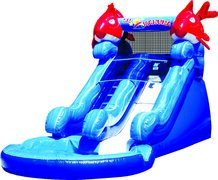
On large inflatables, redundant blower ports with separate breakers lowered risk. If one circuit trips, the unit remains stable while we reset. For tight residential schedules, pre-rolling extension cords and labeling lengths sped up tear-down. None of this shows up in a glossy product photo, but it dictates whether your event starts on time.
If you are booking with a local bounce house company, ask how they train new crew. Shadowing on live jobs, not just warehouse practice, sharpens judgment. Real yards are uneven, and real clients have toddlers who wander into setup zones. Experience teaches crews to cone off areas, chat with hosts about pets, and check for sprinkler heads before hammering stakes.
The 2026 forecast: where demand is headed
Bookings for combo units with interchangeable themes will keep rising. Expect more requests for game add-ons to balance big slides, especially at family reunions where age ranges stretch. Corporate events are leaning into fitness-forward installs: head-to-head obstacle lanes, wipeout balls, and team relay setups with timers. Schools want quieter blowers and sturdier entry ramps to handle non-stop traffic.
Indoor demand will stay strong through late spring in regions with unpredictable rain. That will push design innovation into compact, high-fun footprints. Water slides will trend toward dual-lane with shallow splash pools, partly for safety, partly for speed, and partly for easier lawn recovery.
For parents planning a backyard party rental, the smart move is to book early, choose one hero unit, and add a simple game rather than a second large inflatable. For city event planners, think flow: pair a bouncy castle rental with a short course and a quick-turn slide, then add a low-staff game that keeps teens engaged. You will serve more guests, reduce wait times, and use your space well.
Final practical notes for a smooth booking
If you take one lesson from the last decade in this industry, let it be this: a steady, well-run event beats a flashy, chaotic one. Measure the path to your setup area. Confirm power on separate breakers. Talk wind and weather with your provider, and agree on signals for pausing play. Mix energy levels so kids cycle between bounce, slide, and skill games. Keep water nearby, sunscreen on hand, and a bit of shade for staff and guests.
The right inflatable mix turns two or three hours into the kind of memory that shows up in photos on the fridge for months. Whether you choose a timeless inflatable bounce house, a fresh hybrid slide, or a clever inflatable game rental with lights and scoring, the trend that matters most in 2026 is thoughtful design. It shows up in safer ladders, smarter lanes, quieter blowers, and crews who respect your space. Choose a partner who sweats those details and you will feel the difference from the first bounce to the last high-five.